What Makes a Branded Residence Purpose-Driven?
The next generation of branded residences may be defined less by the number of amenities they offer and more by the clarity of the ideas behind them.
In “The Ultimate 2026 Amenity? A Net-Positive Footprint,” Branded Living examines how buyers and developers are beginning to evaluate residential projects through a wider lens—one that considers cultural relevance, community, environmental responsibility and the legacy a development creates beyond its walls.
Fernando de Nuñez y Lugones, CEO of Vertical Developments, contributes his perspective on why a credible residential concept must begin with more than a recognizable name.
What is a purpose-driven branded residence?
A purpose-driven residence starts with a clear understanding of what the project represents, whom it is designed for and how it should relate to its location.
“A purpose-driven residential concept starts with intent that is embedded into the project’s DNA beyond the name on the door,” de Nuñez y Lugones told Branded Living.
That intent should influence decisions throughout the development process—from selecting the right brand and design team to defining the architecture, interiors, programming and resident experience.
Purpose is therefore not an additional marketing message. It is the organizing idea that keeps every part of the project moving in the same direction.
Why is a recognizable brand no longer enough?
A respected brand may create familiarity, but familiarity alone does not produce a distinctive residential experience.
As the branded residence market expands, buyers can compare more collaborations across hospitality, fashion, automotive design and lifestyle. This makes alignment increasingly important. The brand should have a credible relationship with the property’s location, intended audience and way of living.
Without that relationship, branding can feel decorative. With it, the collaboration can provide a clear point of view that residents encounter throughout the property.
Why does consistent execution matter?
A purpose-driven concept must remain visible after the initial launch. Its values should continue through operations, service, resident programming and the way shared spaces are used over time.
Branded Living’s feature emphasizes that meaningful purpose requires consistent execution. Teams working within the property need to understand the concept, while programming should evolve without losing the identity established at the beginning.
This continuity is what allows a residential brand to become part of everyday life rather than remain a promise made in marketing materials.
How does this perspective relate to ELLE Residences Miami?
The Branded Living article addresses the residential sector broadly rather than evaluating ELLE Residences Miami specifically. However, its central principle provides a useful lens through which to understand the project.
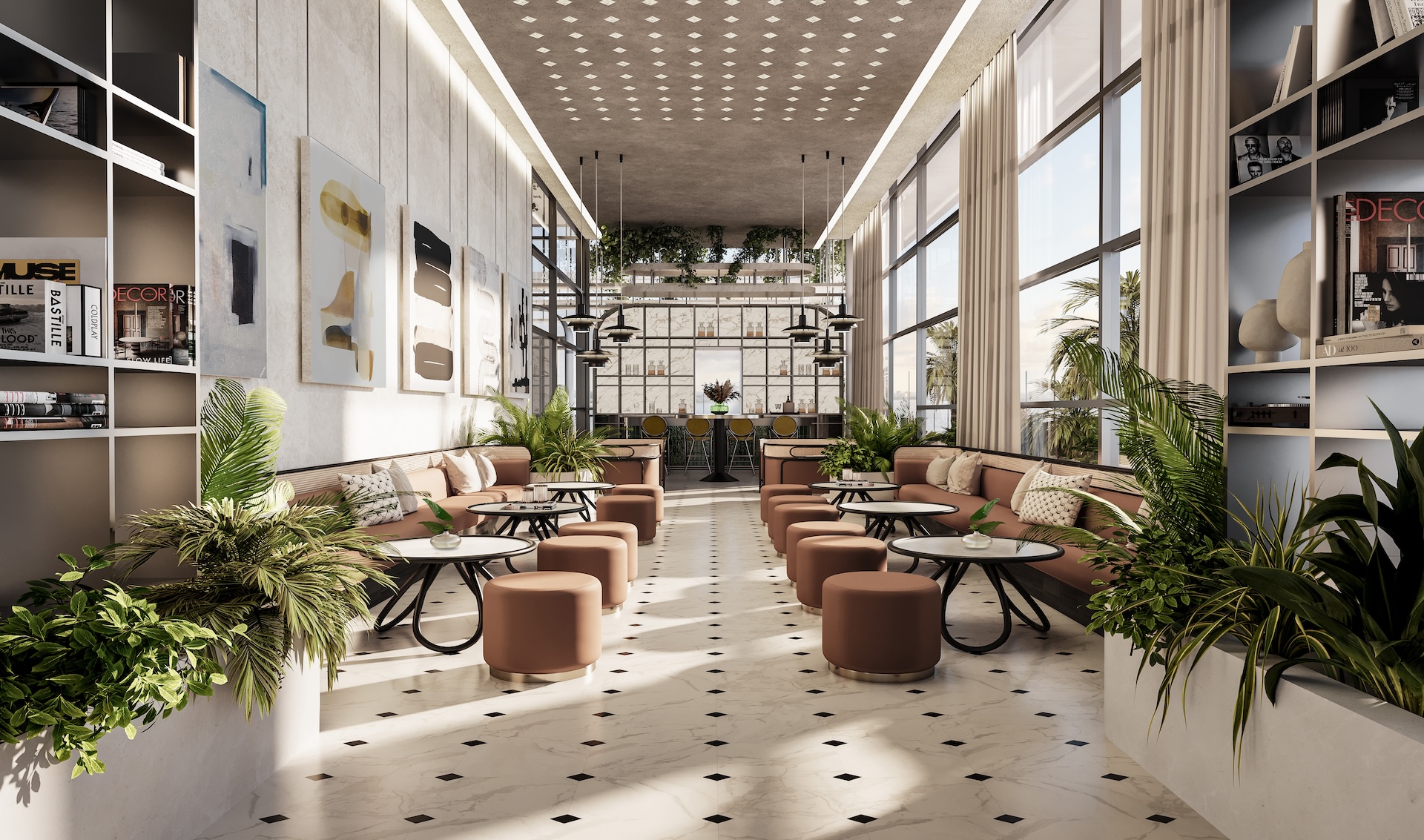
ELLE’s relationship with fashion, interiors, travel and culture informs the development’s design perspective. Its editorial identity is expressed through the residences, shared spaces, visual details and ready-to-live experience.
Edgewater adds another dimension to that concept by connecting residents with Miami’s design, cultural and social districts. The collaboration is therefore shaped by both brand identity and place.
What should buyers ask when evaluating a branded residence?
The most useful questions extend beyond the name attached to the property:
- How does the brand influence the architecture and interiors?
- Does the concept respond meaningfully to its location?
- Are the amenities designed around real routines and experiences?
- Can the project’s identity be maintained through service and programming?
- Does every element feel connected to the same point of view?
A branded residence becomes credible when the answers are visible throughout the complete experience.
